
Benioff: ‘This Isn’t Our First SaaSpocalypse’, Salesforce on Navigating the Downturn
In the often turbulent world of technology and software as a service (SaaS), economic shifts can feel like existential threats. Yet, for seasoned leaders, these periods are not uncharted territory. Recently, Salesforce CEO Marc Benioff cut through the noise with a clear, resonant message: Salesforce CEO Marc Benioff: This isn’t our first SaaSpocalypse. This statement is more than just a soundbite; it’s a powerful reminder of resilience, experience, and strategic foresight from one of the industry’s most influential figures. It encapsulates a philosophy honed over decades, offering crucial lessons for businesses navigating uncertain economic landscapes today.
The sentiment from Benioff provides a vital perspective, especially as many SaaS companies grapple with tighter budgets, increased scrutiny on spending, and the general jitters of a global economy. Rather than panic, his words invite a deeper look into the history of cloud computing and the foundational principles that have allowed Salesforce, under his stewardship, to not only survive but consistently thrive through multiple cycles of boom and bust. This blog post delves into the implications of Benioff’s statement, exploring the historical context, leadership lessons, and practical strategies for businesses to build enduring resilience.
What Exactly Is a “SaaSpocalypse” and Why Does it Feel Familiar?
The term “SaaSpocalypse” might sound dramatic, conjuring images of widespread failure within the SaaS sector. In reality, it refers to periods of significant economic downturn or market correction that disproportionately impact software-as-a-service companies. These periods are characterized by slower growth, increased pressure on profitability, cautious customer spending, and often, workforce reductions. For many newer SaaS companies or those led by less experienced executives, such times can feel unprecedented and overwhelming.
However, as Salesforce CEO Marc Benioff wisely points out, this isn’t the first time the industry has faced such challenges. This echoes his sentiment: ‘this isn’t our first SaaSpocalypse’. The dot-com bust of the early 2000s, the 2008 global financial crisis, and various other economic slowdowns have all presented their own versions of a “SaaSpocalypse.” Each time, the resilient companies, often those with strong leadership and a clear value proposition, have emerged stronger. These historical precedents provide a roadmap, suggesting that while the specifics of each downturn may differ, the underlying principles for navigating them remain remarkably consistent.

Salesforce’s Historical Resilience: Proof That Marc Benioff’s Message Holds Weight
Salesforce itself is a testament to enduring market fluctuations. Launched in 1999, just as the dot-com bubble was reaching its peak, the company was born into an environment ripe for what could easily be described as a SaaSpocalypse. They not only survived but pioneered the cloud computing revolution, demonstrating an incredible ability to adapt and innovate even when market conditions were turbulent. Benioff’s leadership throughout these periods has been instrumental, emphasizing customer success, continuous innovation, and a robust company culture. This track record lends significant credibility to the assertion: Salesforce CEO Marc Benioff: This isn’t our first SaaSpocalypse, reinforcing that experience is a powerful guide.
Consider the 2008 financial crisis. While many businesses struggled to stay afloat, Salesforce continued to grow, albeit with careful adjustments. This wasn’t by chance. It was the result of strategic decisions focused on delivering indispensable value, streamlining operations, and maintaining a clear vision for the future of enterprise software. Benioff’s steady hand during these periods demonstrates why understanding past ‘SaaSpocalypses’ is so crucial for present-day leadership.
Key Principles for Navigating a SaaSpocalypse, Inspired by Benioff
Drawing from Salesforce’s journey and Benioff’s public statements, several key principles emerge for businesses facing similar pressures today:
- Customer Centricity Above All: In tough times, customers scrutinize every expenditure. Companies that truly understand and deliver value, helping their clients achieve tangible ROI, are the ones that retain and grow their base. Salesforce has always prioritized its customers, building long-term relationships rather than just transactional ones.
- Relentless Focus on Innovation: Downturns can be periods of immense opportunity for those willing to innovate. While others pull back, investing strategically in R&D and product enhancements can position a company for outsized growth when the market recovers. Benioff often speaks about “listening to the future” and building ahead of the curve, a strategy proven effective across various economic cycles.
- Operational Efficiency and Prudence: This means more than just cost-cutting; it’s about smart resource allocation, identifying inefficiencies, and ensuring every dollar spent contributes to strategic goals. This disciplined approach is crucial for maintaining profitability and extending runway, especially when navigating a potential ‘SaaSpocalypse’.
- Strong Culture and Values: A cohesive, resilient company culture can be a powerful asset during challenging times. Employees who are aligned with the company’s mission and values are more likely to weather storms together. Benioff is famous for fostering a unique culture at Salesforce, emphasizing philanthropy and community, which acts as a bedrock during economic shifts.
- Long-Term Vision: Short-term market fluctuations can obscure the bigger picture. Leaders like Benioff maintain a long-term perspective, understanding that the fundamental shift to cloud and digital transformation is an unstoppable trend, even if its pace fluctuates. This forward-looking approach is key to overcoming any perceived ‘SaaSpocalypse’.
For more insights into adapting business strategies, you might find valuable resources on TechPerByte’s strategy section, which frequently covers resilience in tech.
The Enduring Power of SaaS: Why Even a SaaSpocalypse Can’t Halt Progress
Despite the cyclical challenges, the fundamental value proposition of SaaS remains incredibly strong. SaaS models offer flexibility, scalability, and cost-effectiveness that traditional on-premise software simply cannot match. Businesses of all sizes continue to rely on cloud-based solutions for everything from CRM and ERP to collaboration and analytics. This inherent utility means that even during economic contractions, essential SaaS tools remain critical for operational efficiency and competitive advantage.
What changes during a “SaaSpocalypse” isn’t the need for SaaS, but rather the emphasis on *which* SaaS solutions are adopted and how they are utilized. Companies become more discerning, seeking out solutions that offer clear, measurable ROI and demonstrable business impact. Providers that can articulate and prove this value will continue to thrive, regardless of the broader economic climate. This reinforces why Salesforce CEO Marc Benioff’s experience is so pertinent now, offering a seasoned perspective that ‘this isn’t our first SaaSpocalypse’.

Practical Steps for SaaS Companies During Economic Downturns
Translating Benioff’s high-level wisdom into actionable steps is crucial for SaaS companies today:
- Re-evaluate Product-Market Fit: Are you solving a critical problem for your customers? During tough times, “nice-to-haves” are often the first to go. Focus on indispensable features and services. This approach is fundamental to surviving and thriving when Salesforce CEO Marc Benioff says ‘this isn’t our first SaaSpocalypse’.
- Optimize Customer Success: Proactive engagement, demonstrating value, and fostering strong relationships can significantly reduce churn. Happy, successful customers are your best defense against budget cuts.
- Streamline Sales and Marketing: Focus on efficient channels and highly targeted campaigns that yield clear ROI. Emphasize value proposition and cost savings.
- Manage Cash Flow Prudently: Cash is king. Extend your runway through careful spending, securing financing, and optimizing billing cycles. This might involve revisiting subscription models or offering different tiers.
- Empower Your Employees: Transparent communication, clear goals, and support for your team can maintain morale and productivity even during uncertain times.
According to a recent report by TechCrunch on SaaS trends, companies prioritizing customer retention and efficiency are better positioned to weather economic storms. Another excellent resource for navigating market dynamics comes from Gartner’s analysis of IT spending, which underlines the importance of strategic investment during inflation.
Remember, the challenges presented by a ‘SaaSpocalypse’ are not unique to one era. They are recurring tests of a company’s foundations, leadership, and adaptability. Marc Benioff’s perspective serves as a powerful reminder that foresight and a deep understanding of market cycles are paramount.
For more detailed analyses of market shifts and tech leadership, explore the articles at TechPerByte’s Leadership section.
Conclusion: Embracing the Lessons from Benioff’s SaaSpocalypse Wisdom
Marc Benioff’s statement – Salesforce CEO Marc Benioff: This isn’t our first SaaSpocalypse – is a beacon of calm and experience in a sometimes volatile industry. It’s a call to look beyond immediate pressures and draw on the lessons learned from past economic cycles. For SaaS companies, this means doubling down on customer value, fostering innovation, practicing financial prudence, and cultivating a strong, adaptable culture.
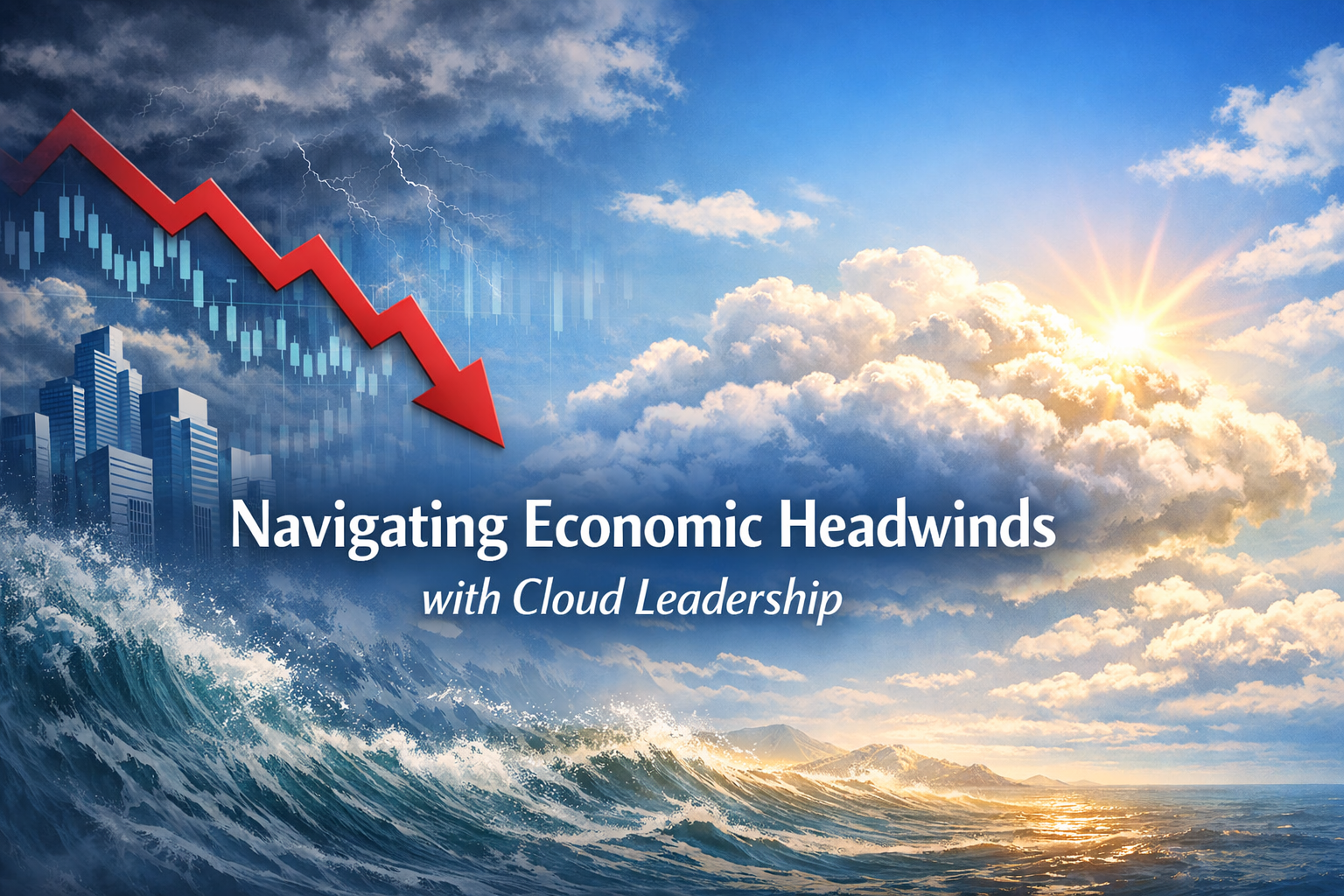
The history of Salesforce itself, rising from the ashes of the dot-com era to become a cloud giant, serves as compelling evidence that downturns are not necessarily doom scenarios but rather crucibles for innovation and resilience. By internalizing Benioff’s wisdom and adopting proven strategies, businesses can navigate the current economic headwinds with confidence, acknowledging that, as Benioff puts it, ‘this isn’t our first SaaSpocalypse’. The path forward is not without its challenges, but with leadership that understands the cyclical nature of the market, the SaaS industry is well-equipped to continue its transformative journey.
#SaaSPocalypse #MarcBenioff #Salesforce #SaaSStrategy #CloudComputing #EconomicResilience #TechLeadership #BusinessGrowth #DigitalTransformation #Innovation