
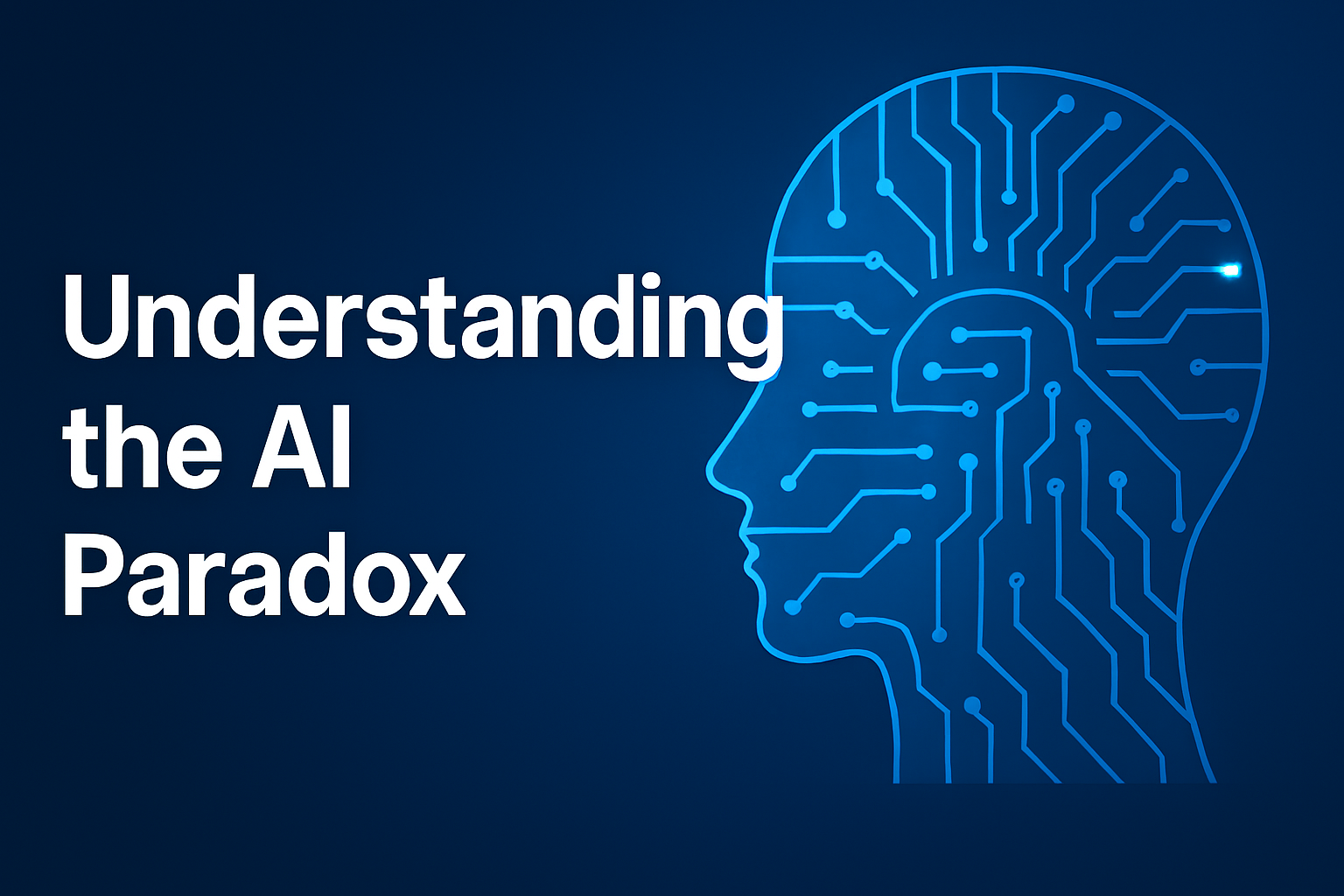
Understanding the AI Paradox
The relentless pace of technological advancement often brings both immense opportunity and unforeseen challenges. In the current era, as Artificial Intelligence (AI) permeates nearly every industry, a fascinating and somewhat concerning trend is emerging. Increasingly, the first signs of burnout are coming from the people who embrace AI the most – the pioneers, the innovators, the early adopters who champion its integration into workflows and daily life. This isn’t just anecdotal; reports and observations from various tech communities suggest that the very individuals driving the AI revolution are feeling its intense psychological and emotional toll. Understanding this paradox is crucial for sustainable innovation and personal well-being.
For years, the promise of AI has been efficiency, automation, and liberation from mundane tasks. However, for those at the forefront of AI adoption, the reality can be quite different. It often involves a constant learning curve, high-pressure environments, and the emotional labor of advocating for and implementing complex new systems. This article delves into the causes, symptoms, and potential solutions for this growing concern, offering practical insights for anyone navigating the AI landscape.
The AI-Driven Treadmill: Why Early Adopters Are Feeling the Strain
The enthusiasm for AI is infectious, driving many to immerse themselves completely in its capabilities. However, this deep embrace often leads to an ‘always-on’ culture that can be detrimental. Several factors contribute to why those who embrace AI most intensely are showing signs of burnout:
- Constant Learning and Adaptation: AI technologies evolve at an astonishing rate. Staying current requires continuous learning, often outside standard working hours. This mental load can be exhausting, pushing individuals to their cognitive limits.
- High Expectations and Pressure: AI is often presented as a panacea, leading to unrealistic expectations from leadership and colleagues. Those implementing AI solutions often bear the brunt of delivering on these promises, creating immense pressure.
- Bridging the Gap: AI champions often act as interpreters between technical developers and non-technical end-users. This role requires significant communication effort, problem-solving, and managing diverse expectations, adding to mental fatigue.
- Tool Overload: The proliferation of AI tools and platforms means that early adopters are often juggling multiple systems, each with its own learning curve and quirks. This “tool fatigue” contributes significantly to stress.
- Ethical and Societal Concerns: Beyond technical challenges, many AI professionals grapple with the ethical implications of their work. Concerns about data privacy, bias, and job displacement can add a layer of psychological burden.
This persistent demand for cognitive resources and emotional resilience makes it clear why the first signs of burnout are coming from the people who embrace AI the most. It’s not a failure of will, but a natural reaction to an overwhelming environment.

Recognizing the Early Warning Signs of AI-Related Burnout
Spotting burnout early is key to mitigating its impact. For individuals deeply involved with AI, these signs might manifest differently than traditional workplace stress:
- Diminished Creativity and Problem-Solving: The very attributes that make AI enthusiasts successful—innovation and critical thinking—begin to wane. Ideas become harder to generate, and complex problems feel insurmountable.
- Increased Irritability and Cynicism: Enthusiasm gives way to frustration. What once was an exciting challenge now feels like a tedious chore. Interactions with colleagues or AI tools become sources of annoyance.
- Physical Manifestations: Persistent fatigue, disrupted sleep patterns, headaches, and a weakened immune system are common physical symptoms of prolonged stress.
- Detachment from AI Passion: A loss of interest in new AI developments, reluctance to engage with AI projects, or even a feeling of dread when approaching AI-related tasks can be strong indicators. This signals that the passion that fueled their embrace of AI is diminishing.
- Isolation: Despite working in collaborative environments, individuals might withdraw, feeling overwhelmed by the social demands on top of their technical workload.
These symptoms, if left unaddressed, can spiral into severe burnout, affecting not only personal health but also professional productivity and innovation. Recognising that the first signs of burnout are coming from the people who embrace AI the most is a wake-up call for both individuals and organizations.
Strategies for Sustainable AI Engagement and Preventing Fatigue
Preventing AI-driven burnout requires a multi-faceted approach, combining individual self-care with organizational support. Those who are deeply invested in AI can take proactive steps to safeguard their well-being.
Setting Boundaries and Digital Detoxes
One of the most effective strategies is to consciously create boundaries between work and personal life. For someone whose work involves AI, this can be challenging as the lines often blur. Implementing “AI-free” zones during the day or setting specific times to disengage from AI-related news, tools, and discussions can provide much-needed mental respite. A digital detox, even for a few hours each week, can help reset cognitive functions. Regularly stepping away from screens and engaging in non-digital hobbies are vital for mental health, helping to prevent the fatigue that often accompanies intense AI adoption. For more insights on balancing tech use, you might find valuable resources on TechPerByte.com.
Mindful AI Use and Collaboration
Instead of mindlessly consuming every new AI update, practice mindful engagement. Prioritize learning about tools directly relevant to your current goals rather than trying to master everything. Foster collaborative environments where knowledge sharing can alleviate individual learning burdens. Teams that collectively explore and implement AI solutions can distribute the cognitive load, reducing the risk of individual burnout. Encourage open discussions about challenges and limitations, rather than maintaining a facade of seamless AI integration. This collective approach can buffer individuals from the sole responsibility that often leads to stress. A culture of shared learning and support is critical in addressing why the first signs of burnout are coming from the people who embrace AI the most.
Leveraging AI for Self-Care
Paradoxically, AI itself can be part of the solution. Use AI tools to automate repetitive personal tasks, freeing up mental space. Explore AI-powered mindfulness apps or scheduling assistants that can help manage time and reduce cognitive overhead. The goal is to use AI strategically to enhance well-being, rather than letting it become another source of pressure. Embrace its power to simplify, not complicate.

Organizational Support and Leadership Role
Companies and leaders have a significant role to play in preventing AI burnout. Recognizing that the first signs of burnout are coming from the people who embrace AI the most means acknowledging the unique pressures these roles entail. Organizations should:
- Provide Adequate Training and Resources: Invest in continuous learning platforms and allow time for employees to upskill without added pressure.
- Set Realistic Expectations: Clearly define what AI can and cannot do. Manage stakeholder expectations to reduce undue pressure on implementation teams.
- Promote Work-Life Balance: Encourage taking breaks, using vacation time, and establishing clear communication protocols to avoid after-hours demands.
- Foster a Culture of Psychological Safety: Create an environment where employees feel comfortable discussing their struggles and asking for help without fear of judgment.
- Recognize and Reward Efforts: Acknowledge the intense effort involved in pioneering AI adoption. Celebrate successes and learn from challenges without assigning blame.
The tech industry, in particular, should heed these warnings. As platforms like The Verge and Wired frequently highlight the rapid pace of AI innovation, they also implicitly underline the pressure on those driving it. Organizations must adapt their strategies to support their most valuable assets – the human talent embracing these powerful tools. For further insights on optimizing digital well-being, explore resources on TechPerByte.com/digital-wellbeing.
Conclusion: A Sustainable Future for AI Innovators
The emergence of burnout among the most ardent AI enthusiasts is a critical indicator that while technology charges forward, human well-being must not be left behind. While AI offers unprecedented opportunities for progress, it also demands a renewed focus on sustainable practices for those who build, implement, and champion it. By understanding why the first signs of burnout are coming from the people who embrace AI the most, we can implement proactive measures – from individual self-care routines to comprehensive organizational support systems.
Ultimately, a healthy and vibrant AI ecosystem depends on healthy and thriving individuals. Nurturing the pioneers of AI, recognizing their contributions, and safeguarding their mental and emotional health is not just a matter of compassion; it’s a strategic imperative for the continued, ethical, and innovative development of artificial intelligence.
#AI
#BurnoutPrevention
#TechWellness
#DigitalHealth
#AIBurnout
#InnovationChallenges
#WorkLifeBalance
#FutureOfWork
#AIAdoption